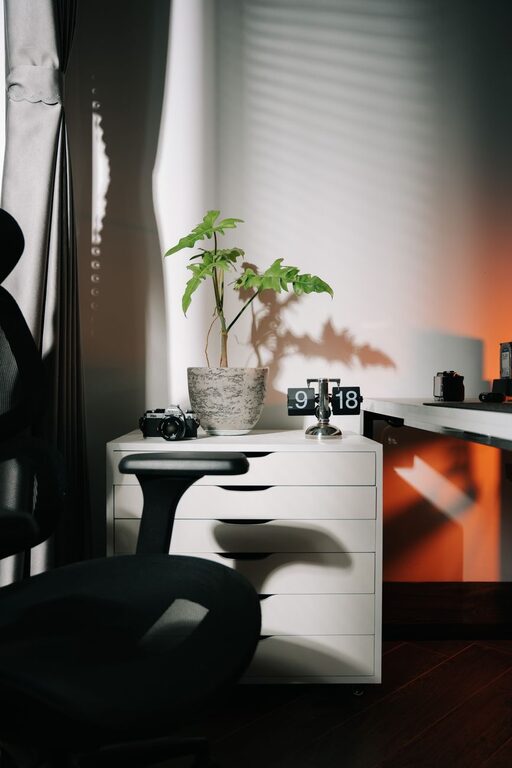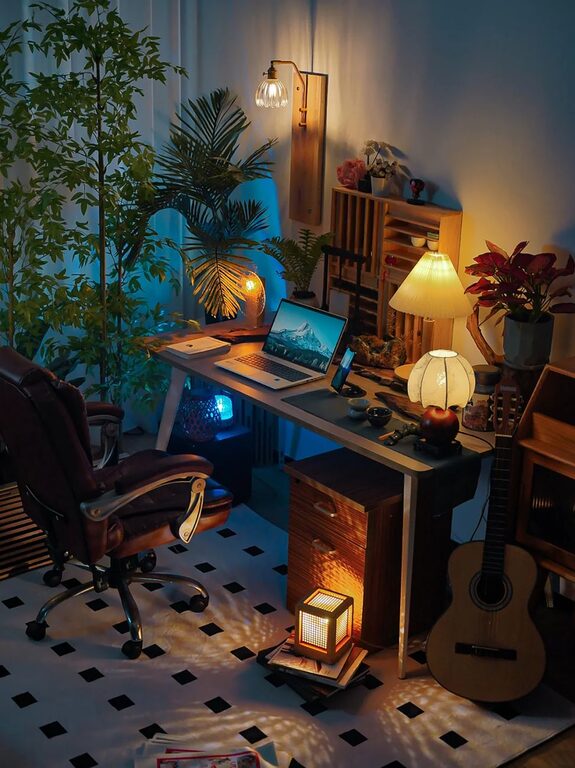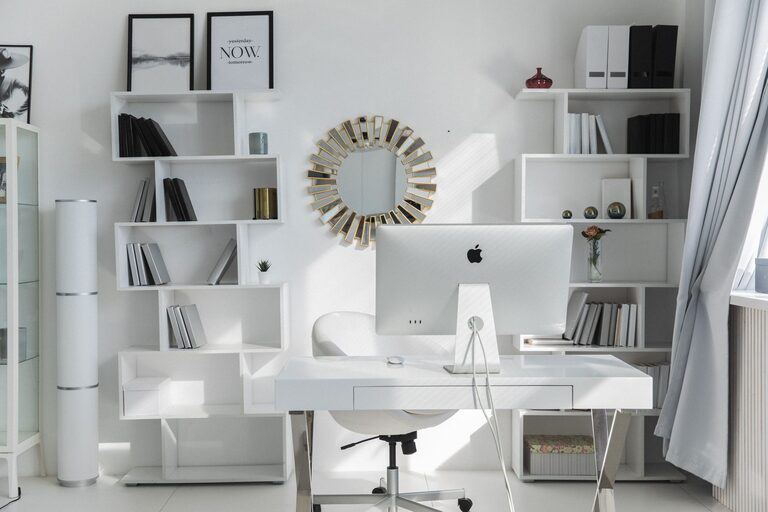
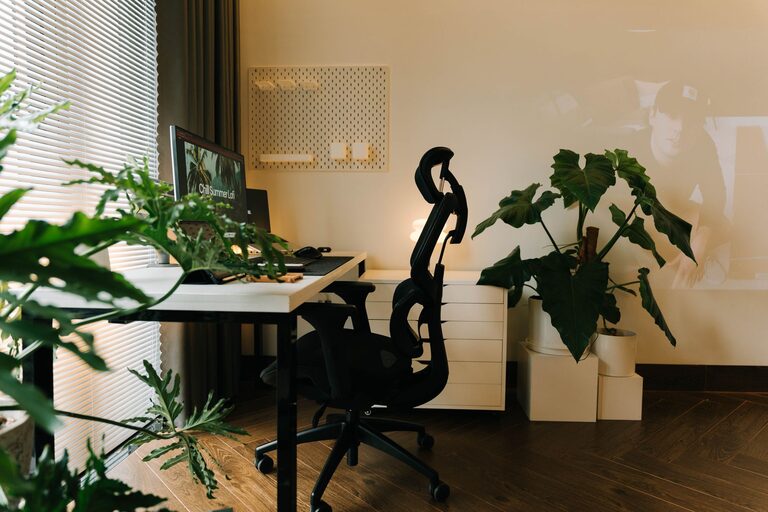
Creating a relaxing home office environment is essential for maintaining focus, reducing stress, and enhancing productivity, especially as more people work remotely. A thoughtfully designed workspace helps you feel comfortable and motivated throughout the day. Here are some practical tips to transform your home office into a peaceful and productive area.
Choose the Right Location
The first step is to select a spot in your home that suits your work needs. Ideally, this space should be quiet and free from distractions. If possible, use a separate room rather than a corner of a living area. Natural light and fresh air can have a positive impact on your mood and energy levels, so consider placing your desk near a window.
Consider Privacy and Noise
If your home is busy, think about ways to minimize noise and interruptions. Using noise-cancelling headphones or adding soft furnishings like rugs and curtains can help absorb sound. You might also want to make a signal system, such as a closed door or a sign, to let others know when you need focus time.
Invest in Comfortable Furniture
Ergonomics play a big role in comfort and health. A good chair with lumbar support and an adjustable desk heights are worth investing in. If possible, consider a standing desk or a convertible option so you can switch positions throughout the day. Proper posture reduces the risk of back and neck pain and helps maintain energy.
Tips for Desk Setup
– Keep your monitor at eye level to avoid neck strain.
– Use a keyboard and mouse that feel comfortable to reduce wrist fatigue.
– Allow enough legroom for easy movement.
– Organize your frequently used items within arm’s reach.
Create a Calming Color Palette
Colors can influence your mood and productivity. Soft, neutral shades such as pale blue, green, or beige promote relaxation without dulling alertness. Avoid overly bright or harsh colors that might cause eye strain or anxiety. Adding touches of your favorite calming color can personalize the space without overwhelming it.
Control Lighting
Lighting affects both focus and comfort. Aim for a mix of natural and artificial light sources. Natural light is best during the day, but as it fades, you’ll want soft, warm lighting to reduce glare and eye strain.
Lighting Tips
– Use adjustable desk lamps with dimmers.
– Avoid harsh overhead fluorescents.
– Consider adding light filters or curtains to soften daylight.
– Position lights to minimize screen reflections.
Incorporate Plants and Natural Elements
Adding greenery to your office space can significantly improve air quality and create a soothing atmosphere. Indoor plants like pothos, snake plants, or succulents are low-maintenance options. If plants aren’t feasible, use natural materials like wooden furniture or stone decorations to bring nature indoors.
Keep the Space Organized
Clutter can increase stress and reduce efficiency. Use storage solutions like shelves, drawers, and desk organizers to keep everything tidy. Make a habit of clearing your desk at the end of each day.
Organization Strategies
– Sort papers and files regularly.
– Use cable management tools to keep cords tidy.
– Limit personal items to a few favorites to avoid distraction.
– Have designated spots for office supplies.
Personalize Without Overdoing It
Your office should feel inviting but not cluttered. Adding personal touches like photos, artwork, or a favorite mug can make your workspace feel uniquely yours. Balance comfort and professionalism based on your needs and the nature of your work.
Incorporate Relaxation Techniques
To maintain calm throughout the workday, consider integrating small relaxation practices into your routine. This might include a small meditation corner, stress balls, or soothing scents from essential oils or candles (when not working on electronics).
Mind Your Technology Setup
A smooth and dependable technology setup can reduce frustration and interruptions. Check that your internet connection is strong and invest in reliable hardware. Proper cable management and minimizing device clutter contribute to a peaceful work zone.
Maintain a Consistent Routine
Finally, creating a relaxing home office isn’t just about the physical space. Maintaining a consistent daily routine helps separate work time from personal time. Set clear work hours, take regular breaks, and step away from your desk to refresh your mind.
—
Designing and maintaining a relaxing home office is a continuous process. By thoughtfully arranging your workspace with comfort, organization, and tranquility in mind, you can create an environment that supports both productivity and peace of mind. Start small and adjust your space over time to find what works best for you.