
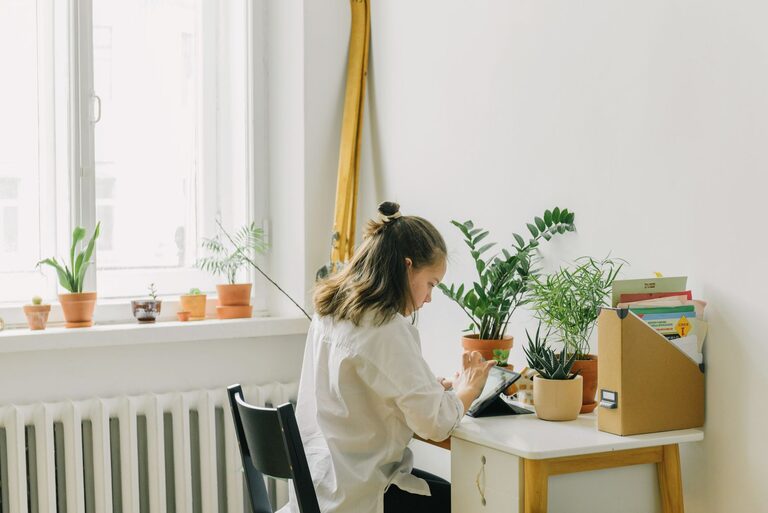
Creating a relaxing home workspace is essential for staying productive and maintaining well-being while working from home. When your workspace feels calm and organized, it’s easier to focus and meet your goals without feeling overwhelmed. This post will guide you through practical tips to set up a soothing and efficient home office.
Why a Relaxing Workspace Matters
Your environment has a direct impact on your mood and concentration. A cluttered or noisy space can lead to distractions and stress, while a peaceful setting helps you stay calm and focused. Designing a workspace that promotes relaxation can boost creativity, reduce fatigue, and improve your overall work performance.
Choose the Right Location
Start by picking a quiet spot in your home with minimal foot traffic.
– Natural Light: Work near a window if possible. Exposure to natural light helps regulate your circadian rhythm and keeps you energized.
– Privacy: Choose a space where you can minimize interruptions from family members or roommates.
– Comfort: Make sure there is enough room for your desk, chair, and any equipment you need without feeling cramped.
Invest in Comfortable Furniture
A comfortable chair and desk are foundational for a relaxing workspace.
– Ergonomic Chair: Select a chair that supports your lower back and allows you to sit with your feet flat on the floor.
– Adjustable Desk: Consider a desk with adjustable height so you can alternate between sitting and standing.
– Desk Surface: Keep your desk surface smooth and large enough to hold your essentials comfortably.
Declutter and Organize
Clutter can increase stress and make it hard to concentrate.
– Daily Tidying: Spend a few minutes at the end of each workday to clear your desk.
– Storage Solutions: Use shelves, drawers, or organizers to keep supplies neat and accessible.
– Minimal Decor: Keep decorations to a few meaningful items to avoid visual distractions.
Incorporate Calming Colors and Decor
Colors influence your mood, so choose calming shades for your workspace.
– Soft Blues and Greens: These colors are known to reduce stress and promote tranquility.
– Plants: Adding a few indoor plants can improve air quality and create a soothing atmosphere.
– Personal Touches: Include photos or art that inspire and motivate you without cluttering your space.
Manage Noise and Sound
Noise distractions can make it difficult to concentrate.
– Noise-Canceling Headphones: These can block out background noise and create a personal bubble of calm.
– White Noise Machines: A steady, gentle background sound can help mask disruptive noises.
– Soft Background Music: Instrumental or nature sounds can boost focus for some people.
Optimize Lighting
Proper lighting reduces eye strain and supports alertness.
– Layered Lighting: Combine overhead lights with desk lamps to reduce shadows.
– Adjustable Lamps: Use lamps with dimmer switches or adjustable heads so you can customize the brightness.
– Avoid Glare: Position your computer screen to prevent reflections from windows or lights.
Establish a Routine
Creating a daily routine supports productivity and relaxation.
– Set Working Hours: Stick to consistent start and finish times to separate work from personal life.
– Scheduled Breaks: Take regular breaks to stand, stretch, or breathe deeply.
– Mindful Transitions: Begin your day with a simple ritual like meditation or light stretching to transition into work mode.
Use Technology Wisely
Technology is a key part of any home workspace, but it can also create distractions.
– Organize Digital Files: Keep your computer desktop tidy and use folders to find documents quickly.
– Limit Notifications: Turn off non-essential alerts to maintain focus.
– Sync Devices: Use apps that sync across your devices to stay organized wherever you work.
Keep Air Quality Fresh
Good air quality promotes alertness and comfort.
– Ventilation: Open windows periodically to let fresh air circulate.
– Air Purifiers: Use an air purifier if your space is prone to dust or allergens.
– Humidity: Maintain moderate humidity with a humidifier or houseplants to avoid dry air.
Stay Hydrated and Nourished
Don’t forget the basics—your body needs fuel to stay productive.
– Water Bottle: Keep a bottle of water at your desk and sip throughout the day.
– Healthy Snacks: Choose nuts, fruits, or yogurt instead of sugary or heavy snacks.
– Avoid Overcaffeinating: Limit caffeine intake to prevent jitters and energy crashes.
Final Thoughts
Creating a relaxing home workspace involves more than just picking furniture—it’s about building an environment that supports your mental and physical well-being. By choosing the right location, organizing thoughtfully, and adding calming touches, you set yourself up for a productive and enjoyable work-from-home experience. Small changes can make a big difference, so start with one or two tips and watch your workspace transform!
Remember, your workspace should be a place you look forward to spending time in — peaceful, inspiring, and just right for your work style. Happy designing!